


 czsuliao@czplastics.com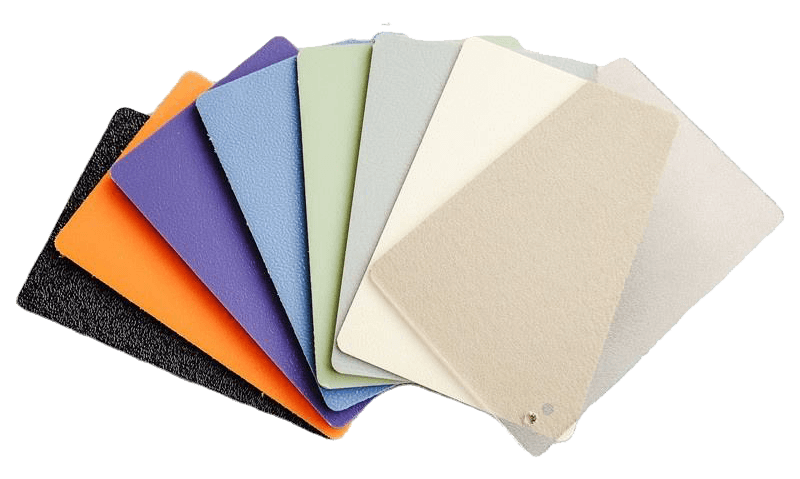
What Is a PVC Composite Sheet?
Key Takeaways
A PVC composite sheet is a multi-layer engineered panel that bonds PVC with a complementary polymer (most commonly ABS) for performance no single plastic can match.
Core advantages include UL 94 V-0 flame retardancy, high impact strength, chemical resistance, and customizable surfaces.
Standard thickness ranges from 1.0 mm to 12 mm, covering applications from laminates to rigid housings.
Quality panels are made by co-extrusion or alloy blending for permanent interlayer bonding.
Always verify ISO 9001, REACH, and RoHS compliance before ordering — especially for transit and medical uses.
1. What Is a PVC Composite Sheet?
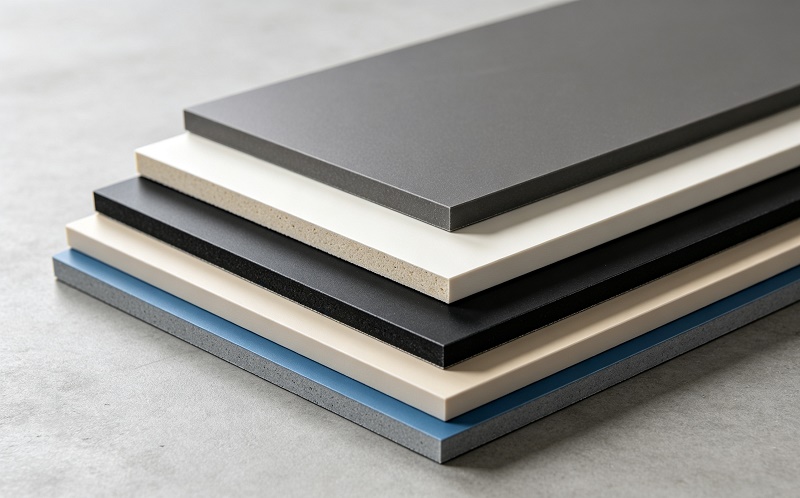
A PVC composite sheetis an engineered thermoplastic panel made by combining polyvinyl chloride (PVC) with a complementary polymer — most often acrylonitrile butadiene styrene (ABS) — through co-extrusion or melt blending. Unlike a solid PVC sheet made from a single resin mix, this composite structure is designed to balance properties that one polymer alone cannot deliver. In practice, every PVC composite sheet brings together PVC's flame retardancy and chemical resistance with ABS's toughness, impact strength, and thermoformability — a balanced profile that has made the PVC composite sheet a staple in automotive, transit, medical, and construction industries.
2. Composition: What Goes Into the Panel
The core ingredients of a PVC composite sheet are consistent across manufacturers:
PVC resin — provides inherent flame retardancy (from its chlorine content), chemical resistance, and surface rigidity.
Partner polymer (typically ABS) — adds high impact strength, low-temperature toughness, and superior thermoforming. Specialty grades may use PMMA, ASA, or TPU as the cap layer for UV resistance, high gloss, or soft-touch feel.
Heat stabilizers, flame retardants, impact modifiers, colorants, and UV stabilizers — prevent thermal degradation during processing, ensure UL 94 V-0 and FMVSS 302 compliance, and fine-tune toughness, color, and long-term appearance.
A typical PVC composite sheet uses roughly 20–40% PVC cap layer (for flame and chemical performance) and 60–80% ABS substrate (for strength and formability), with ratios customizable per project.
3. How It Is Manufactured
Most industrial-grade PVC composite sheets are produced by co-extrusion: two polymer melts are forced through a single flat die, forming a permanently bonded multi-layer structure in one continuous pass. Alternatives include alloy blending (PVC and ABS compounded into uniform pellets before extrusion) and heat lamination (a decorative PVC film bonded to a pre-formed ABS substrate for interior and furniture use). Reputable manufacturers tightly control melt temperature, cooling rate, and layer thickness to prevent delamination or warping; post-extrusion steps may include embossing, corona treatment for ink adhesion, and precision cutting.
4. Key Properties at a Glance
| Property | PVC Composite Sheet (PVC/ABS) | Solid Rigid PVC | Pure ABS |
|---|---|---|---|
| Density (g/cm³) | 1.10 – 1.30 | 1.40 – 1.45 | 1.04 – 1.06 |
| Flame Rating | UL 94 V-0 / FMVSS 302 | UL 94 V-0 | UL 94 HB |
| Notched Impact (kJ/m²) | 20 – 35 | 5 – 10 | 25 – 45 |
| Chemical Resistance | Excellent | Excellent | Good |
| Thermoformability | Excellent | Fair | Excellent |
| Thickness Range | 1.0 – 12 mm | 0.5 – 20 mm | 0.5 – 10 mm |
| Service Temperature | -20°C to 60°C | 0°C to 60°C | -20°C to 70°C |
5. Core Properties Explained
Flame Retardancy: The PVC component gives every PVC composite sheet inherent self-extinguishing characteristics. Quality grades achieve UL 94 V-0 and pass FMVSS 302, making them specified for bus dashboards, train panels, and electrical housings.
Impact Strength and Rigidity: Rigid PVC can be brittle under sharp impact or cold, but the ABS backing layer dramatically improves toughness — resisting cracking and stress fractures even at sub-zero temperatures.
Chemical and Moisture Resistance: PVC resists acids, alkalis, alcohols, and most cleaners, and absorbs almost no moisture, making a PVC composite sheet ideal for medical housings and humid wash-down environments.
Thermoformability and Aesthetics: A PVC composite sheet heats evenly and forms cleanly over molds without whitening — preferred for vacuum-formed parts like dashboard skins and equipment covers. Surfaces can be supplied in leather grain, matte, sand texture, high gloss, or custom patterns, with colors matched to Pantone or RAL.
6. Common Applications
Automotive & Transit: Bus dashboard skins, train wall panels, ceiling linings, door trim.
Medical Devices: Diagnostic equipment housings and hospital bed components.
Construction: Interior wall cladding for high-traffic public areas and cleanrooms.
Furniture & Interiors: Thermoformed cabinet panels with woodgrain or marble finishes.
Specialty Packaging: Heavy-duty protective cases and flame-retardant industrial trays.
Frequently Asked Questions (FAQ)
1. Is a PVC composite sheet waterproof?
Yes. PVC absorbs virtually zero moisture, making it suitable for humid and wash-down environments.
2. Can a PVC composite sheet be thermoformed?
Yes. The ABS substrate forms well at 120–160°C, with uniform draw and minimal whitening.
3. Is it fire-resistant?
Quality grades are self-extinguishing and certified to UL 94 V-0 and FMVSS 302.
4. What thicknesses are available?
Standard production ranges from 1.0 mm to 12 mm; custom gauges are available from experienced manufacturers.
5. Can it be painted or printed?
Yes. When treated, the surface accepts screen printing, UV printing, laminating films, and industrial paints.
6. How long does a PVC composite sheet last?
In normal interior use, service life typically exceeds 10–15 years without cracking, fading, or delamination.
7. What is the difference between composite and solid PVC sheet?
Solid PVC offers high chemical and flame resistance but lower impact and formability. The composite adds an ABS layer to boost toughness and cold-temperature performance without losing PVC's safety benefits.
Choose Changzhou Plastics as Your Trusted Partner
When your project demands consistent quality, certified safety, and responsive support, the right PVC composite sheet supplier matters. Changzhou Plastics Researching & Manufacturing Co., Ltd., established in 1988, is a specialized engineering plastic sheet manufacturer with over three decades of extrusion expertise. From our 40,000 m² Changzhou facility, equipped with 30 extrusion and thermoforming lines, we produce PVC composite sheets meeting ISO 9001, REACH, RoHS, UL 94 V-0, and FMVSS 302 standards, serving automotive, medical, construction, and industrial customers worldwide.
Whether you need standard gauges, custom colors and textures, or application-specific formulations (flame-retardant, cold-resistant, antistatic, antibacterial, or UV-resistant), our team supports you from sampling through production. Contact Changzhou Plastics today to request samples, discuss specifications, or receive a personalized quote.