


 czsuliao@czplastics.com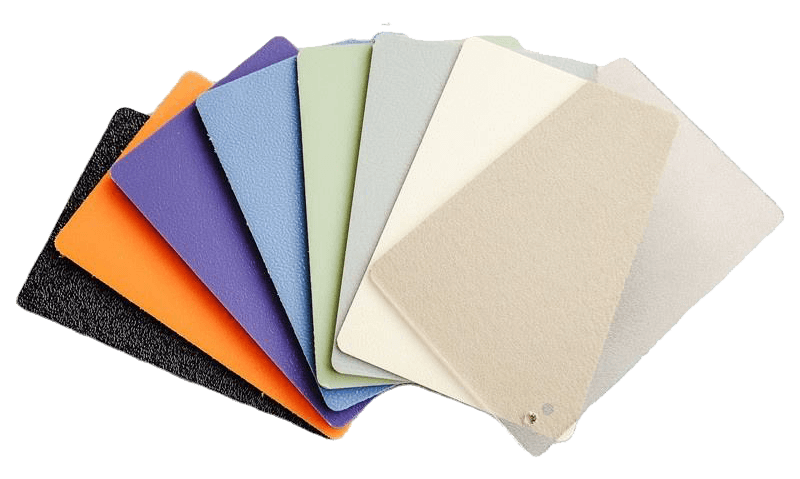
Why Automakers Are Switching to ABS Composite Sheet for Interior Trims
Something is quietly changing inside the vehicles rolling off today's assembly lines. The metal brackets, stamped steel supports, and die-cast housings that once defined automotive interiors are being swapped out for something far lighter—and surprisingly tougher.
That "something" is ABS composite sheet.
Across the automotive industry, from electric vehicle startups to established commercial bus makers, manufacturers are embracing ABS composite sheet as a strategic replacement for steel and aluminum in interior trim applications. The motivation is clear: lighter vehicles consume less energy, cost less to produce, and meet increasingly strict emission regulations—all without sacrificing the durability and safety that drivers expect.
In this guide, we break down exactly why this shift is happening, what performance data supports it, and what it means for OEMs and Tier 1 suppliers evaluating their next interior trim program.
Key Takeaways
Switching from steel or aluminum to ABS composite sheet reduces component weight by up to 30–40% and cost by up to 20–50%
ABS composite sheet delivers high impact resistance, excellent thermoformability, and premium surface finishes—properties that stamped metal simply cannot match
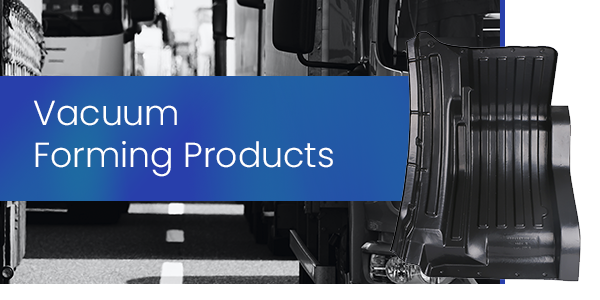
Vacuum-formed ABS interior parts achieve a total interior weight reduction of up to 30% compared to traditional metal solutions
Low tooling investment and shorter development cycles make ABS composite sheet especially attractive for small-batch and multi-model production
Modern ABS composite sheet grades meet UL 94 V-0, FMVSS 302, and ECE R118 fire safety standards
The Driving Forces Behind Metal Replacement
Regulatory Pressure and EV Range Anxiety
Global fuel economy standards continue to push automakers toward lighter vehicles. Beyond regulation, electric vehicles face a unique challenge: battery packs consume a large share of the vehicle's mass budget. Every gram removed from interior components buys back range or payload elsewhere.
A 10% reduction in curb weight is commonly associated with a 6–8% improvement in fuel economy—a relationship that holds regardless of where federal targets land.
Cost Optimization Across the Supply Chain
Metal parts require complex post-treatment, energy-intensive manufacturing, and limited die-cast mold life. ABS composite sheet eliminates many of these cost drivers. The injection molding process for polymer components involves significantly lower processing temperatures compared to die-cast aluminum, reducing energy consumption by approximately 25%.
For interior trim specifically, replacing steel with ABS composite sheet can cut costs by up to 50% while maintaining the same load-bearing capacity and safety factors.
Design Freedom and Aesthetic Flexibility
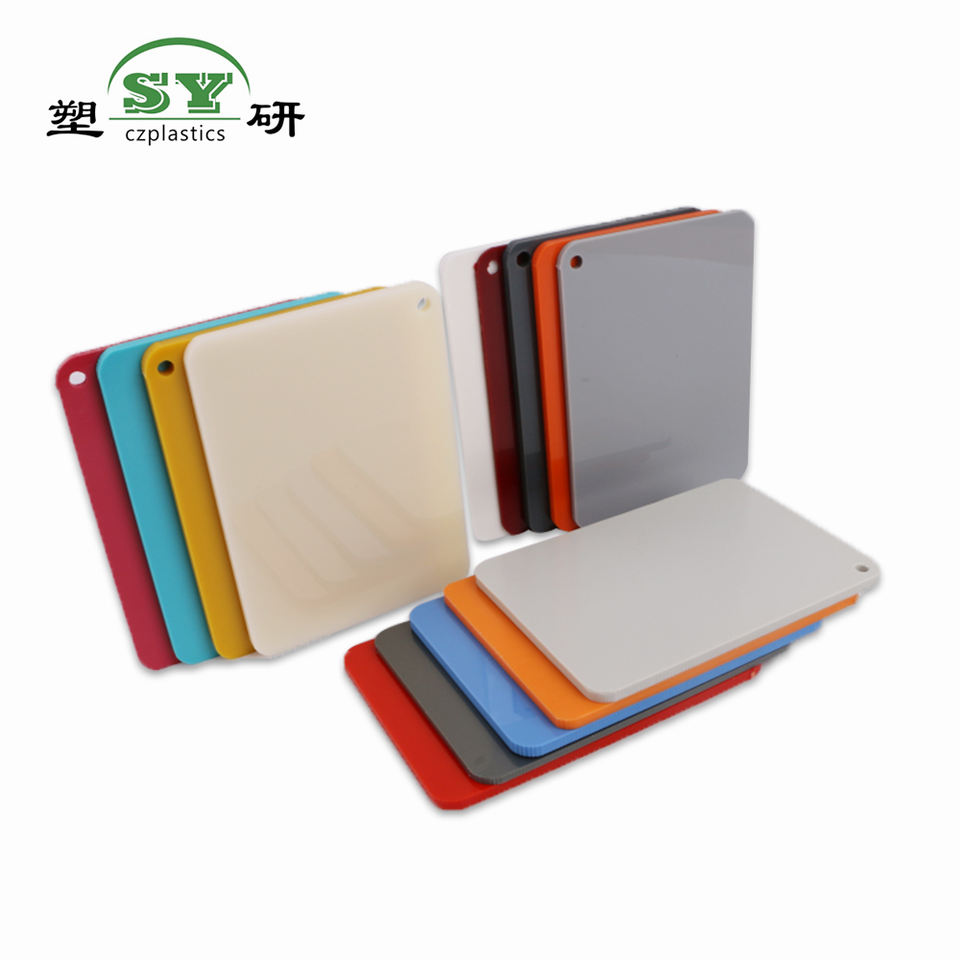
Metal interior trims are constrained by stamping and welding limitations. ABS composite sheet can be thermoformed into complex, large-curvature, multifunctional parts that consolidate multiple sheet-metal components into a single unit. Surfaces can be supplied in leather grain, matte, sand texture, high gloss, or custom patterns—with colors matched to Pantone or RAL.
How ABS Composite Sheet Outperforms Metal in Interior Trims
| Property | ABS Composite Sheet | Steel / Aluminum |
|---|---|---|
| Weight | 50–70% lighter than metal equivalents | Baseline |
| Impact Resistance | High (no notch brittleness) | Medium-High |
| Corrosion Resistance | Excellent (no rust, no coating needed) | Poor (requires coating) |
| Thermoformability | Excellent | Not applicable |
| Design Complexity | Integrated multi-function parts | Limited by stamping |
| Tooling Cost | 1/5 of injection mold cost | High die-cast mold investment |
| Surface Finish | Leather grain, matte, gloss, custom | Requires painting/coating |
| Recyclability | Good (mono-material designs) | Excellent |
The data is compelling: ABS composite sheet offers a 50–70% weight reduction over steel and aluminum while maintaining comparable structural performance. For interior trim applications specifically, vacuum-formed ABS parts have a density only one-fifth that of steel and two-thirds that of fiberglass.
Where ABS Composite Sheet Excels in Interior Applications
Dashboard Skins and Instrument Panels
ABS composite sheet heats evenly and forms cleanly over molds without whitening—critical for vacuum-formed dashboard skins that require precise texture reproduction. Modified flame-retardant ABS grades offer impact resistance across temperature extremes while ensuring compliance with ECE R118 fire safety standards for buses.
Door Panels and Trim Components
Door panels represent one of the highest-volume interior trim applications. ABS composite sheet allows manufacturers to integrate mounting features, decorative surfaces, and structural ribbing into a single thermoformed part—eliminating the weight of auxiliary metal brackets and connectors.
Ceiling Panels and Air Ducts
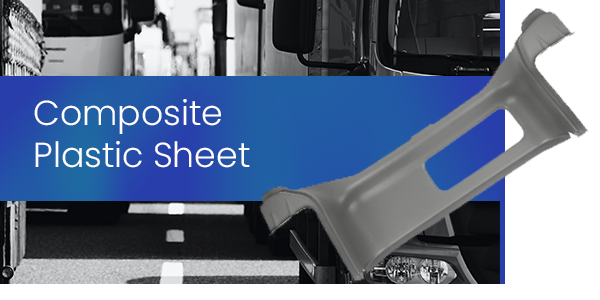
For commercial buses and coaches, thick-sheet vacuum forming with ABS composite sheet (thicknesses exceeding 2mm) produces large components such as ceiling panels, air ducts, and seat backrests. The resulting interior weight reduction directly lowers the vehicle's curb weight, delivering an 8–12% increase in range for new energy buses.
Seat Backrests and Headliners
ABS sheet accepts paint and plating well, processes at moderate cycle times, and provides good impact resistance at room temperature—making it suitable for interior structural trim and housing applications that previously used stamped steel or die-cast metal brackets.
Manufacturing Advantages: Why Thermoforming Beats Metal Stamping
Lower Tooling Investment
The investment required for thick-sheet vacuum forming molds is only one-fifth of that for injection molds. For OEMs managing multiple vehicle models with varying production volumes, this dramatically reduces the cost pressure associated with interior upgrades.
Faster Development Cycles
ABS composite sheet thermoforming accommodates small-batch customization across diverse vehicle models. The shorter development cycle from design to production means new interior designs can reach the market faster—a critical advantage in an industry where model refresh cycles continue to shorten.
Integrated Part Consolidation
Through gradient sheet thickness design and built-in reinforcing ribs, structural rigidity is maintained while strictly controlling self-weight. This consolidation eliminates the weight of auxiliary materials like metal brackets and connectors while simplifying assembly.
Choosing the Right ABS Composite Sheet Supplier
For OEMs and Tier 1 suppliers evaluating metal-to-plastic conversion, supplier capability is as important as material performance. Key factors to verify include:
Certifications: ISO 9001, REACH, RoHS compliance
Fire Safety: UL 94 V-0, FMVSS 302, ECE R118 certification
Customization: Thickness range, surface texture, color matching
Production Capacity: Sheet extrusion and thermoforming capabilities
Automotive Experience: Proven track record with OEM and Tier 1 programs
Why Changzhou Plastics Is Your Partner for ABS Composite Sheet
Changzhou Plastics Researching & Manufacturing Co., Ltd.has been at the forefront of engineering plastic sheet manufacturing since 1988. From our 40,000 m² facility in Changzhou, China, we serve automotive, transit, medical, and industrial customers worldwide.
Our ABS composite sheet products are trusted by domestic and foreign automobile manufacturers for interior trim applications including dashboards, door panels, ceiling systems, and seat components. Our ABS sheets have passed ISO 9001 quality certification and various special project tests by CTI.
Our ABS sheet specifications:
Thickness: 0.8mm – 12mm
Width: Up to 2200mm (custom options available)
Surface Options: Smooth, patterned, matte, high gloss
Special Properties: Flame retardant, cold resistant, anti-static
Colors: Full palette with custom matching
Whether you need standard ABS composite sheet for interior panels or application-specific formulations for demanding automotive programs, our team supports you from sampling through production.
Contact Changzhou Plastics today to discuss your metal replacement project, request samples, or receive a personalized quote.
Frequently Asked Questions
1. Is ABS composite sheet strong enough to replace metal in interior trims?
Yes. ABS composite sheet provides high impact strength and structural rigidity suitable for interior trim, door panels, dashboards, and ceiling systems. The key is selecting the correct thickness and formulation for each application.
2. How much weight can I save by switching from metal to ABS composite sheet?
Weight savings typically range from 30–50% depending on the component and metal being replaced. Vacuum-formed ABS interior parts have a density approximately one-fifth that of steel.
3. Does ABS composite sheet meet automotive fire safety standards?
Quality grades of ABS composite sheet meet UL 94 V-0, FMVSS 302, and ECE R118 standards. Flame-retardant formulations are available for safety-critical interior applications.
4. What thicknesses are available for automotive interior applications?
ABS composite sheet for automotive interiors is typically produced in thicknesses from 0.8mm to 12mm, with custom gauges available for specific program requirements.
5. Can ABS composite sheet be thermoformed into complex shapes?
Yes. ABS composite sheet is highly thermoformable, capable of producing large components with complex curvatures, integrated ribbing, and multifunctional features without cracking or surface defects.
6. Is ABS composite sheet cost-effective compared to metal?
Yes. Metal replacement with ABS composite sheet can reduce component costs by 20–50% while maintaining equivalent performance. Lower tooling investment and reduced post-processing further improve the cost equation.
7. How does ABS composite sheet perform in cold temperatures?
Standard ABS composite sheet maintains good impact resistance at room temperature. For cold-climate applications, specialized cold-resistant formulations are available that maintain flexibility at sub-zero temperatures.
8. What surface finishes are available for automotive ABS composite sheet?
ABS composite sheet can be supplied in leather grain, matte, sand texture, high gloss, or custom patterns, with colors matched to Pantone or RAL specifications for brand-consistent interiors.
Choose Changzhou Plastics as Your Trusted Partner
When your project demands consistent quality, certified safety, and responsive support, the right ABS composite sheet supplier matters. Changzhou Plastics Researching & Manufacturing Co., Ltd., established in 1988, is a specialized engineering plastic sheet manufacturer with over three decades of extrusion expertise. From our 40,000 m² Changzhou facility, equipped with 30 extrusion and thermoforming lines, we produce ABS composite sheets meeting ISO 9001, REACH, RoHS, UL 94 V-0, and FMVSS 302 standards, serving automotive, medical, construction, and industrial customers worldwide.
Whether you need standard gauges, custom colors and textures, or application-specific formulations (flame-retardant, cold-resistant, antistatic, antibacterial, or UV-resistant), our team supports you from sampling through production. Contact Changzhou Plastics today to request samples, discuss specifications, or receive a personalized quote.