

 czsuliao@czplastics.com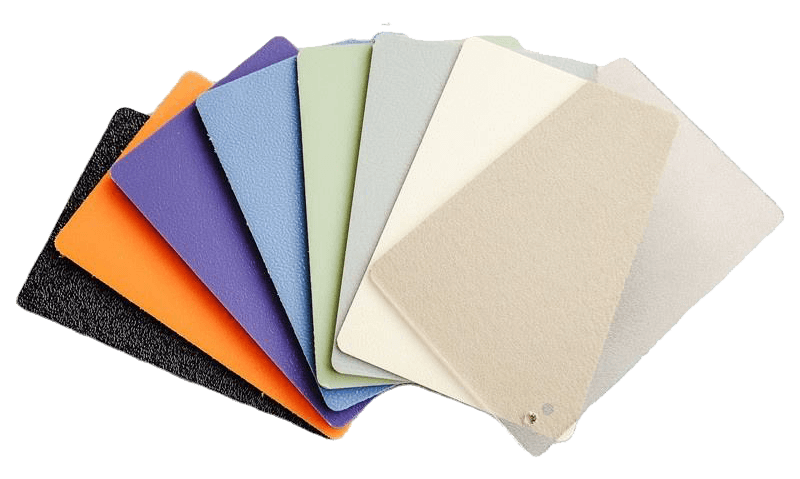
Top 10 EVA Sheet Manufacturers in the USA 2025

With the growing global demand for sustainable materials and polymer solutions, ethylene-vinyl acetate (EVA) sheets have become a critical material in multiple industries such as packaging, footwear, sports goods, and photovoltaics, thanks to their exceptional flexibility, impact resistance, and environmental adaptability. The U.S. EVA market is experiencing steady growth. It is projected that the global EVA market will reach $730 million by 2031, with a compound annual growth rate (CAGR) of approximately 2.4%. The Chinese market holds 58% of the global share, while the North American market accounts for about 11%, indicating the pivotal role of the U.S. market in the global supply chain. This article provides a comprehensive analysis of the top ten EVA sheet manufacturers in the U.S. market in 2025, helping you make informed decisions when selecting a high-quality eva sheet manufacturer.
This article will cover the core competencies, market strategies, product features of these manufacturers, and how they adapt to changes in trade and policy environments. We avoid mentioning specific brands, instead focusing on overall industry trends and key selection criteria to ensure you receive objective and practical information.
1. Market Leaders and Production Capacity
These manufacturers typically possess large-scale production, advanced technological equipment, and a significant market share, enabling them to meet large-volume order demands.
Global Production Layout: Top-tier eva sheet manufacturers usually have production bases worldwide, including North America, Asia, and Europe. This layout helps them mitigate supply chain risks and better serve international customers. For instance, some companies establish factories in China to be closer to raw materials and markets.
Capacity and Output Data: Leading enterprises often maintain high capacity utilization rates. For example, in April 2025, global EVA capacity was partially affected by plant maintenance and product switching (e.g., to LDPE), but overall output still showed year-on-year growth.
Responding to Market Volatility: These manufacturers can flexibly adjust production plans (e.g., switching between EVA and LDPE production) to cope with raw material price fluctuations and changes in market demand, ensuring supply stability.
2. Product Types and Specialization
Excellent manufacturers offer diverse product types to meet the specific needs of different industries.
Product Segmentation: This includes, but is not limited to, standard EVA, anti-PID EVA (used in photovoltaic modules to prevent potential induced degradation), white EVA (commonly used for footwear and decoration), and products with different VA (vinyl acetate) content. Professional eva sheet manufacturers will clearly label the VA content and application fields of their products.
Industry-Specific Solutions:
Photovoltaic Industry: This is one of the fastest-growing application fields for EVA sheets (especially encapsulant films). Manufacturers need to provide products that meet the stringent requirements of the photovoltaic industry, such as high light transmittance, anti-aging properties, and excellent encapsulation performance.
Consumer and Industrial Goods: Includes foamed EVA for footwear, flexible sheets for packaging, and sound insulation and thermal insulation materials for the automotive industry.
Customization Capability: Top manufacturers can provide customized eva sheet production services according to customer specifications (such as thickness, color, hardness, and performance additives).
3. Technological Innovation and R&D Capability
Continuous technological innovation is key for manufacturers to maintain a competitive advantage.
R&D Focus Areas: Include developing higher-performance materials (e.g., enhanced durability, chemical resistance), improving production processes to increase efficiency and quality stability, and exploring more environmentally sustainable formulations (e.g., biodegradable or recyclable components).
Technology and Patents: Many leading companies possess their own patented technologies and exclusive production processes (e.g., tubular or autoclave methods for producing EVA resin), differentiating their products in terms of performance.
Collaborative Innovation with Downstream Industries: The best eva sheet manufacturers collaborate on R&D with downstream industry leaders (e.g., photovoltaic module manufacturers or renowned footwear brands) to ensure their materials meet the needs of future products.
4. Quality Systems and Certification Standards
Reliable quality assurance is the most important consideration when choosing a supplier.
International Certifications: Top manufacturers typically hold certifications such as ISO 9001 (Quality Management System) and ISO 14001 (Environmental Management System). For specific industries, certifications like UL certification for the photovoltaic industry or other safety certifications are also required.
Strict Quality Control Processes: Precision testing throughout the entire production process, from raw material intake to finished product shipment, is crucial. This includes testing raw material purity, online monitoring during production, and performance testing of finished sheets (e.g., tensile strength, tear resistance, light transmittance).
Consistency Guarantee: The ability to ensure high consistency in the performance, specifications, and appearance of every batch of eva sheet, providing stability for customers' production processes.
5. Sustainable Development and Environmental Practices
Modern manufacturers increasingly focus on their environmental responsibilities, which is also becoming more important for many buyers.
Eco-friendly Materials and Applications: Include developing EVA products for renewable energy sectors (e.g., photovoltaics), which itself contributes to sustainable development.
Green Production Processes: Efforts to reduce energy consumption and waste emissions during production, and exploring circular economy models, such as recycling production waste.
Compliance and Transparency: Adhering to environmental regulations in the U.S., EU, and other regions, and transparently disclosing their environmental practices and results.
6. Supply Chain Stability and Raw Material Strategy
A stable supply chain is crucial, especially amid global trade and geopolitical uncertainties.
Backward Integration: Some well-established eva sheet manufacturers may have upstream integration capabilities, meaning they produce or control EVA resin production plants. This helps ensure the stability of raw material supply and cost competitiveness.
Diversified Procurement Strategy: Even without upstream integration, excellent manufacturers will establish diversified raw material procurement channels to avoid reliance on a single supplier.
Inventory Management and Logistics: The ability to maintain reasonable levels of raw material and finished product inventory and possess efficient logistics systems to ensure orders are delivered on time.
7. Customer Service and Technical Support Level
Beyond the product itself, quality service is a key factor differentiating top-tier manufacturers.
Pre-sales and Post-sales Technical Support: Providing detailed product technical data sheets (TDS), material safety data sheets (MSDS), and promptly responding to customer technical inquiries and after-sales issues.
Order Flexibility: The ability to handle orders of various sizes, from sample trial orders to large-volume long-term contracts, and offering competitive eva sheet prices.
Logistics and Delivery Reliability: Providing clear delivery schedules and ensuring on-time delivery. Having warehouses or distribution centers in the U.S. is a significant advantage.
8. Price Competitiveness and Value Proposition
While considering cost, it's essential to focus on the overall value of the product.
Cost Structure Optimization: Efficient manufacturers control costs through economies of scale, process optimization, and supply chain management, thereby offering competitive prices.
Value-Based Pricing: Price is not the only consideration. A value-based pricing strategy, grounded in superior performance, high reliability, quality service, or special certifications, is equally important, as it can bring higher long-term benefits to customers.
Impact of Market Supply and Demand: The price of EVA sheets is influenced by the global supply and demand of EVA resin. Excellent manufacturers can better navigate market fluctuations and provide customers with relatively stable quotations.
9. Market Reputation and Customer Feedback
A good reputation is an intangible asset accumulated over time.
Industry Reputation: Having a good reputation and a stable customer base in major downstream industries (e.g., photovoltaics, footwear) is proof of their strength.
Case Studies and References: Successful application cases and verifiable customer references are important ways to assess the reliability of an eva sheet manufacturer.
Long-Term Partnership Orientation: Many top manufacturers tend to establish long-term strategic partnerships with customers rather than one-time transactions, demonstrating their confidence in product and service quality.
10. Adapting to the U.S. Market and Trade Environment
For manufacturers targeting the U.S. market, coping with trade policy changes is crucial.
Tariffs and Trade Barriers: Since recent trade frictions, reforms in the U.S. tariff mechanism have impacted global supply chains. Manufacturers need strategies (e.g., setting up factories in Southeast Asia or the Americas) to mitigate related risks.
Localized Production and Service: Some international manufacturers may have production lines or warehouses in the U.S., which helps shorten delivery times, avoid import tariffs, and better serve local customers.
Compliance and Standards: A deep understanding and strict adherence to U.S. product standards, safety regulations, and environmental laws are prerequisites for entering the U.S. market.

Conclusion and Selection Advice
In summary, the top eva sheet manufacturers in the 2025 U.S. market are those that excel comprehensively in scale, technology, quality, service, and sustainability. They not only provide various types of high-quality eva sheet but also adapt to the complex global trade environment, particularly the specific needs of the U.S. market.
When choosing a partner, be sure to conduct a comprehensive evaluation based on your specific needs:
If you prioritize large-scale, stable supply → Focus on their production capacity, supply chain stability, and global layout.
If you have highly customized needs → Deeply examine their R&D capabilities, technical support, and flexible production levels.
If your product targets high-end or specific certified markets → Then prioritize their quality system, industry certifications, and product consistency.
We understand that when choosing an eva sheet manufacturer, you need a reliable, professional partner for the long term. Changzhou Plastics is exactly such a trustworthy choice. We possess mature production technology, strict quality control systems, and a deep understanding of customer needs, committed to providing global customers with high-performance eva sheet in various specifications and applications. Contact Changzhou Plastics today, and let us add value to your business with our quality products and services.