

 czsuliao@czplastics.com

What Is an Acrylic Composite Sheet and How Is It Used?
Introduction
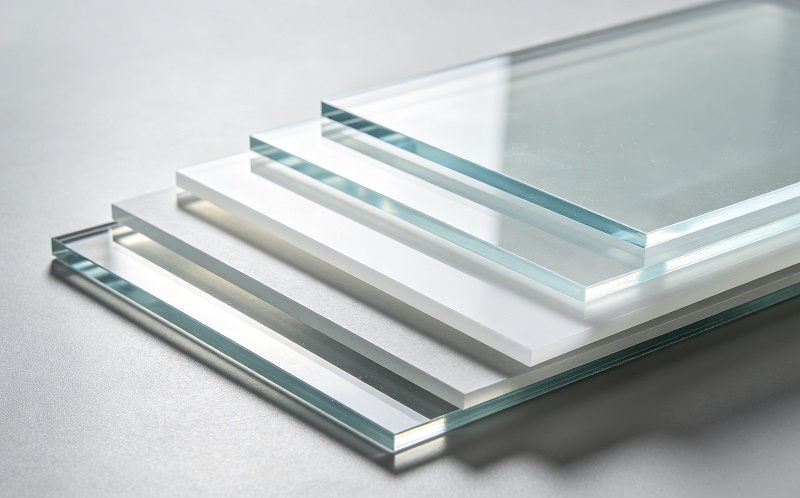
Imagine a material that combines the crystal-clear beauty of glass with the toughness of engineering plastic—and weighs half as much. That is the promise of the acrylic composite sheet.
Walk into any modern shopping mall, sit inside a new car, or step into a sleek hotel lobby, and you are likely surrounded by this versatile material. From glossy display cases to durable automotive interior trim, acrylic plastic sheets have become an indispensable part of contemporary design and manufacturing.
But not all acrylic sheet products are created equal. While traditional PMMA sheets (polymethyl methacrylate) offer excellent clarity and weatherability, they can be brittle and prone to cracking under impact. This is where the acrylic composite sheet shines—it takes the best properties of acrylic and bonds them with a tougher substrate layer, creating a material that is both beautiful and exceptionally durable.
In this comprehensive guide, we will explore what an acrylic composite sheet really is, how it differs from standard acrylic, its manufacturing process, key applications across industries, and why it might be the perfect material for your next project.
Key Takeaways
| Aspect | Key Point |
|---|---|
| Definition | A multilayer sheet with a thin acrylic (PMMA) top layer bonded to a substrate core such as ABS |
| Primary Benefit | Combines acrylic's optical clarity and UV resistance with the impact strength and formability of the substrate |
| Common Substrates | ABS, PVC, and other engineering thermoplastics |
| Key Applications | Automotive interiors, sanitary ware, signage, furniture, medical equipment, and refrigerator liners |
| Thickness Range | Typically 2mm to 12mm, with custom options available |
| Processing Methods | Thermoforming, laser cutting, CNC routing, solvent bonding, and printing |
What Exactly Is an Acrylic Composite Sheet?
At its simplest, an acrylic composite sheet is a multilayer material. It consists of a relatively thin layer of acrylic sheet (PMMA) bonded—either through co-extrusion or chemical fusion—to a thicker substrate layer made of another thermoplastic, most commonly ABS (acrylonitrile butadiene styrene).
Think of it as a sandwich: the top layer (the acrylic) provides the visual appeal—high gloss, exceptional clarity, and long-term UV stability. The bottom layer (the substrate) provides the structural backbone—impact resistance, dimensional stability, and ease of thermoforming.
Some industry sources refer to these as “sandwich boards” because of this layered construction. The bonding between layers is critical; high-quality acrylic composite sheets use advanced co-extrusion or casting techniques to create a chemical bond that resists delamination even under thermal stress.
Acrylic Composite Sheet vs. Standard Acrylic Sheet
| Feature | Standard Acrylic Sheet (PMMA) | Acrylic Composite Sheet |
|---|---|---|
| Composition | Single-layer PMMA | Multilayer: PMMA + substrate (e.g., ABS) |
| Impact Resistance | Moderate | Significantly higher due to substrate |
| Weight | Lightweight | Lightweight (comparable) |
| Surface Gloss | Excellent | Excellent (same acrylic top layer) |
| UV Stability | Excellent (with UV stabilizers) | Excellent (same as acrylic) |
| Thermoformability | Good | Superior (substrate enhances formability) |
| Cost | Generally higher | More cost-effective |
| Typical Thickness | 1mm to 25mm+ | 2mm to 12mm (most common) |
The key advantage of the acrylic composite sheet is that you get the premium surface aesthetics of acrylic sheet at a more accessible price point, with added toughness that makes it suitable for demanding applications where pure PMMA sheets might crack or fail.
How Is an Acrylic Composite Sheet Manufactured?
Understanding the manufacturing process helps explain why this material performs so well.
Co-Extrusion Method
The most common production method for acrylic composite sheets is co-extrusion. In this process:
Two extruders feed molten acrylic (PMMA) and molten substrate material (such as ABS) simultaneously through a specialized die.
The two materials are bonded together while still hot, creating a permanent chemical fusion between layers.
The resulting multilayer sheet is cooled and calibrated to precise thickness tolerances.
Protective film is applied to both surfaces to prevent scratching during shipping and fabrication.
Casting Method
An alternative approach involves casting liquid acrylic monomer directly onto a substrate sheet and initiating polymerization. This creates an exceptionally strong bond and can produce sheets with superior optical quality. However, this method is generally more expensive and less common for high-volume production.
Quality Control
Reputable manufacturers subject their acrylic composite sheets to rigorous quality testing, including:
Optical clarity testing (light transmission of 92% or higher for optical grades)
Impact strength testing (typically 15–20 kJ/m²)
UV weathering tests (simulating 10+ years of outdoor exposure)
Delamination resistance testing (thermal cycle tests)
Dimensional stability verification
Key Properties of Acrylic Composite Sheets
1. Exceptional Surface Aesthetics
The acrylic top layer delivers diamond-like clarity with light transmission up to 92%. This makes acrylic composite sheets ideal for applications where visual appeal matters—displays, signage, furniture surfaces, and decorative panels.
2. Outstanding Weatherability
With built-in UV stabilizers, high-quality acrylic plastic sheets maintain their color and transparency for over a decade outdoors, resisting yellowing and environmental degradation. This is why they are widely used in outdoor signage and automotive exterior applications.
3. Superior Impact Resistance
While standard acrylic sheet can be brittle, the acrylic composite sheet benefits from its tough substrate layer. This combination offers up to ten times the impact resistance of glass while weighing only half as much. This makes it suitable for applications where safety and durability are paramount.
4. Excellent Formability
Acrylic composite sheets are highly thermoformable. They can be heated and shaped into complex three-dimensional forms without cracking or losing surface quality. This makes them ideal for:
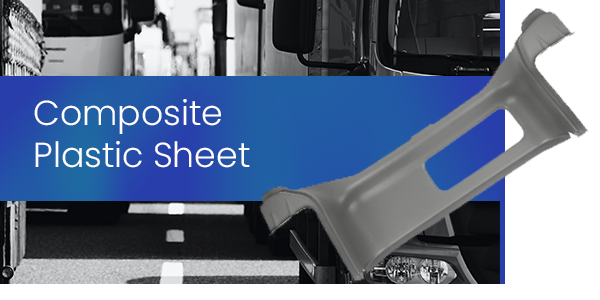
Automotive interior trim panels
Bathtub and shower tray forming
Three-dimensional signage and displays
5. Fabrication-Friendly
These sheets are compatible with a wide range of fabrication techniques:
Laser cutting and CNC routing
Solvent bonding for seamless joints
Digital printing and screen printing
Engraving and mechanical fastening
6. Customizable Properties
Depending on the formulation, acrylic composite sheets can be engineered with additional properties:
Flame retardant grades for safety-critical applications
Cold-resistant formulations for low-temperature environments
Antistatic properties for electronics manufacturing
Antibiosis (antimicrobial) for medical and food applications
Major Applications of Acrylic Composite Sheets
Automotive and Transportation
The automotive industry is one of the largest consumers of acrylic composite sheets. Common applications include:
Interior trim panels—door panels, dashboard components, and center consoles
Tail light covers and lamp housings
Motorcycle windshields and RV windows
Train interior panels—wall cladding and ceiling panels
The combination of surface aesthetics, durability, and formability makes acrylic composite sheets ideal for automotive interiors where both appearance and longevity are critical.
Sanitary Ware and Bathroom Fixtures
Acrylic composite sheets are extensively used in bathroom and wellness applications:
Bathtubs and whirlpool baths
Shower trays and shower cabins
Washbasins and vanity tops
Steam cabin panels
The material's resistance to moisture, chemicals, and thermal cycling, combined with its glossy, easy-to-clean surface, makes it a preferred choice for sanitary ware manufacturers.
Signage and Displays
The optical clarity and UV stability of acrylic sheet make it a natural fit for the signage industry:
LED light boxes and illuminated signs
POP (point-of-purchase) displays
3D channel letters and dimensional signage
Exhibition booth construction and display cases
Furniture and Interior Design
Acrylic composite sheets bring a premium look to furniture and interior applications:
Luxury furniture—tabletops, cabinet doors, and shelving
Decorative partitions and room dividers
Protective screens and sneeze guards
Wall cladding and feature walls
Medical and Laboratory Equipment
The non-toxic, easy-to-clean nature of acrylic plastic sheets makes them suitable for medical applications:
Infant incubators—clear, shatter-resistant enclosures
Laboratory equipment—covers, shields, and enclosures
Medical device housings and components
Safety shields and protective barriers
Household Appliances
Acrylic composite sheets are found in various household products:
Refrigerator liners and inner panels
Small appliance housings
Storage containers and organizers
Why Choose Changzhou Plastics for Your Acrylic Composite Sheet Needs?
With over 35 years of experience in plastics manufacturing, Changzhou Plastics Researching & Manufacturing Co., Ltd has established itself as a trusted partner for businesses worldwide.
Our Capabilities
Founded in 1988, we have been in the plastics industry for more than three decades
180 employees, including 19 engineers and technicians
40,000 m² factory with 28,000 m² of building area
Registered capital of 45 million yuan and fixed assets of 40 million yuan
30 production lines covering extrusion, injection molding, and thermoforming
Our Acrylic Product Range
We manufacture a comprehensive range of acrylic plastic sheets and acrylic composite sheets:
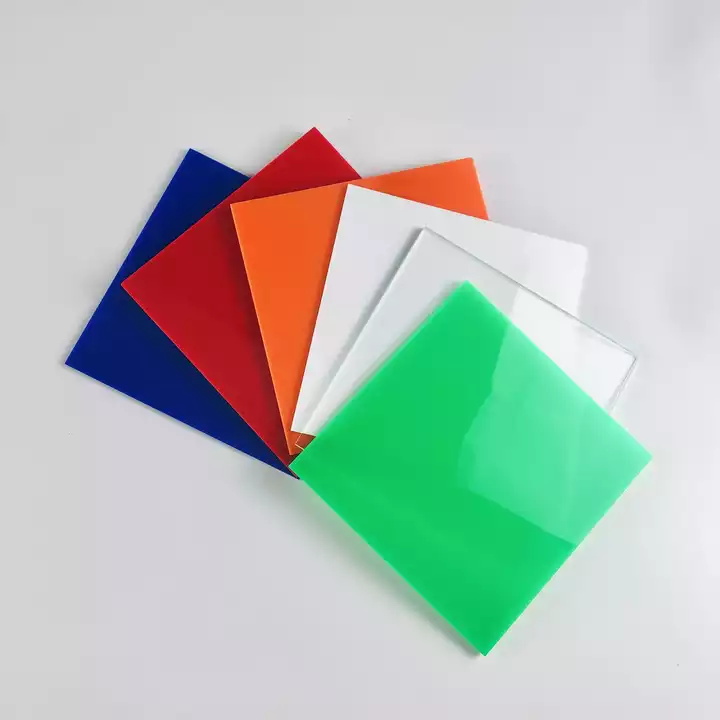
Standard PMMA sheets—clear, colored, and frosted finishes
PMMA/ABS composite sheets—the classic acrylic composite sheet combining acrylic aesthetics with ABS toughness
Custom formulations—flame retardant, cold-resistant, antistatic, antibiosis, and UV-resistant grades
Custom dimensions—thicknesses from 0.3mm to 12mm+ and widths up to 1900mm
Quality Assurance
We are proud of our quality credentials:
ISO 9001:2008 quality management system certified
Capital credit AAA grade enterprise
REACH, RoHS, and SGS compliant
"Value contract, trustworthy" unit recognized by Changzhou city for over a decade
Our Commitment
We believe that "sincere brings public praise, and quality promotes development". Every acrylic composite sheet we produce undergoes rigorous quality control to ensure it meets your exact specifications. Whether you need standard PMMA sheets or custom-engineered acrylic composite sheets, we have the technical expertise and production capacity to deliver.
Frequently Asked Questions
1. What is an acrylic composite sheet made of?
An acrylic composite sheet consists of a thin layer of acrylic (PMMA) bonded to a thicker substrate layer, typically ABS (acrylonitrile butadiene styrene). The acrylic layer provides optical clarity and UV resistance, while the ABS substrate provides impact strength and formability. Some variants use PVC or other thermoplastics as the substrate.
2. How does an acrylic composite sheet differ from standard acrylic sheet?
Standard acrylic sheet (PMMA) is a single-layer material. An acrylic composite sheet is multilayer—it has an acrylic top layer fused to a substrate core. This makes the composite sheet more impact-resistant and cost-effective while retaining the same beautiful surface appearance.
3. Can acrylic composite sheets be thermoformed?
Yes. Acrylic composite sheets are highly thermoformable. They can be heated and shaped into complex three-dimensional forms using standard thermoforming equipment, making them ideal for automotive interior parts, sanitary ware, and three-dimensional signage.
4. Are acrylic composite sheets UV resistant?
Yes. The acrylic top layer can be formulated with UV stabilizers that prevent yellowing and degradation. High-quality acrylic composite sheets maintain their color and transparency for over 10 years of outdoor exposure.
5. What thicknesses are available for acrylic composite sheets?
Acrylic composite sheets are typically available in thicknesses ranging from 2mm to 12mm. Custom thicknesses can also be produced depending on the application requirements.
6. Can acrylic composite sheets be printed on?
Yes. The acrylic surface accepts digital printing, screen printing, and UV printing beautifully. This makes acrylic composite sheets popular for signage, displays, and promotional materials.
7. What industries use acrylic composite sheets?
Acrylic composite sheets are used across multiple industries including automotive (interior trim), sanitary ware (bathtubs, shower trays), signage and displays, furniture and interior design, medical equipment, and household appliances.
8. How do I choose the right acrylic composite sheet for my project?
Consider your application requirements: surface finish (glossy, matte, or textured), thickness, color, substrate type (ABS, PVC, etc.), and any special properties needed (flame retardant, antistatic, antimicrobial, etc.). Consulting with an experienced manufacturer like Changzhou Plastics can help you select the optimal material for your specific needs.
Ready to Source High-Quality Acrylic Composite Sheets?
Whether you are designing automotive interiors, manufacturing sanitary ware, or creating stunning retail displays, Changzhou Plastics has the expertise and production capacity to deliver the acrylic composite sheets you need.
Contact us today to discuss your project requirements, request samples, or get a quote:
Email: info@china-abs-sheet.com
WhatsApp: +86 13775056177
Website: www.china-abs-sheet.com
Let our 35+ years of experience work for you. We look forward to building a mutually beneficial partnership.