

 czsuliao@czplastics.com
What is HDPE Plastic Sheet Used For?
Most procurement teams arrive at HDPE the same way: something keeps failing. A steel chute liner rusts through in a wash-down area, a wooden pallet rots in cold storage, or a rigid sheet cracks the first winter it spends outdoors. HDPE plastic sheet (high-density polyethylene) resolves a specific cluster of these problems — abrasion, moisture ingress, and chemical attack — but it is not a universal substitute. Knowing where it performs, and where it does not, is what separates a durable installation from a callback.
This guide sets out the properties that define HDPE plastic sheet, the six industries where it is most widely specified, the limitations worth checking before it goes onto a drawing, and the specification details that matter when requesting a quote.
Key Takeaways
| Aspect | Key Insight |
|---|---|
| Material identity | HDPE sheet is a high-density polyethylene sheet with a density of 0.941–0.965 g/cm³ and a melting point of 130–135 °C |
| Why it is specified | Near-zero moisture absorption, broad resistance to acids, alcohols and bases, and impact strength retained well below freezing |
| Main limitations | Lower stiffness and heat resistance than engineering plastics; not inherently UV-stable; difficult to bond or print without surface treatment |
| Strongest applications | Industrial chute and hopper liners, chemical containment, marine components, food-preparation surfaces |
| Processing | Thermoformable, hot-gas and extrusion weldable, and machinable with standard woodworking tooling |
| Compliance | Available in FDA-compliant, REACH and RoHS grades, produced under an ISO 9001 quality management system |
What Is HDPE Plastic Sheet?
HDPE plastic sheet is an extruded or compression-moulded thermoplastic sheet produced from polyethylene resin with a low degree of molecular branching. That structure — long, largely linear polymer chains that pack closely together — is the reason the material is stiffer, stronger and more chemically inert than low-density polyethylene (LDPE), while remaining lighter than water.
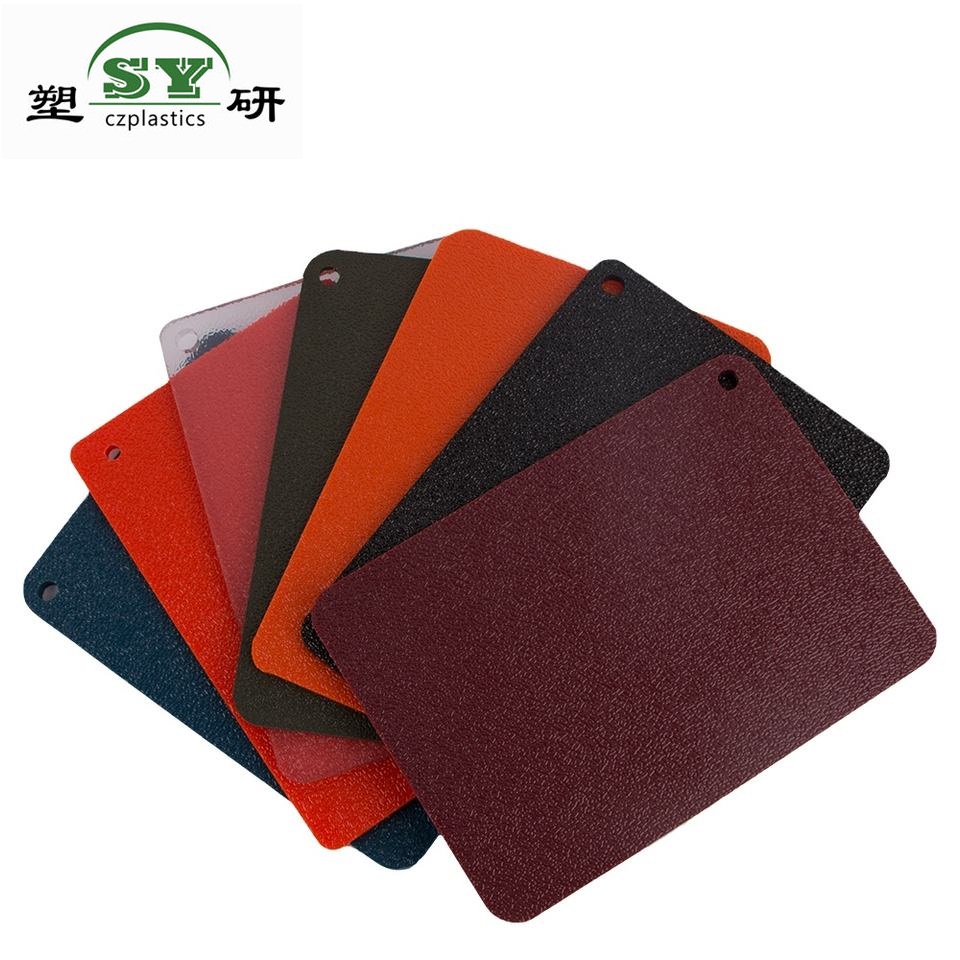
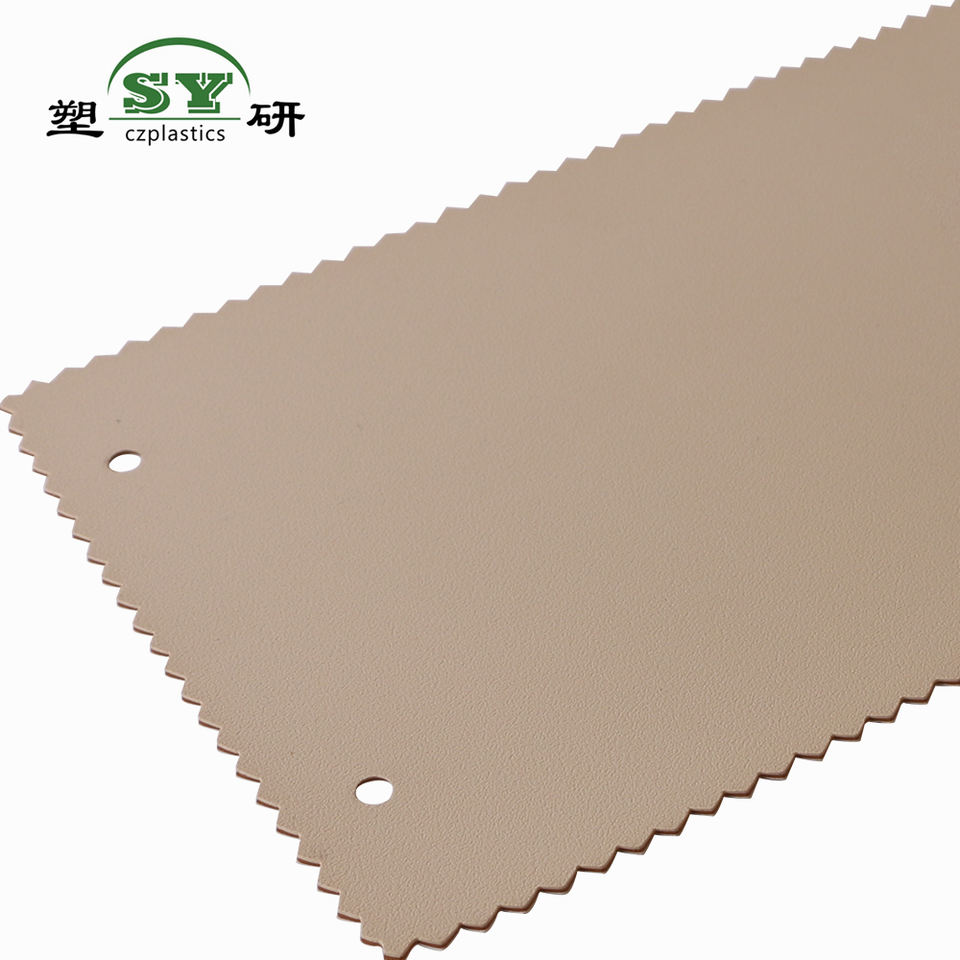
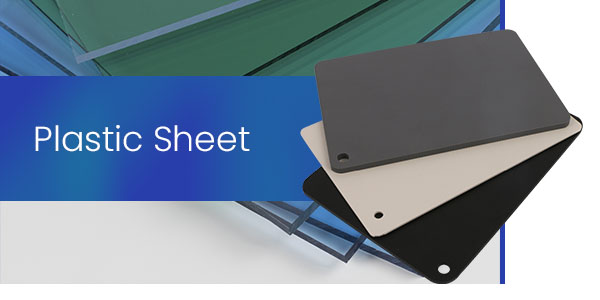
In sheet form it is supplied from thin-gauge film up to heavy industrial plate, with surface finishes including smooth, matte and textured (commonly described as "orange peel") options. Natural HDPE is a translucent white; black, and custom color-matched grades, are produced by compounding at the resin stage rather than by surface coating, which gives more consistent color through the sheet thickness.

Density and Why It Is the Defining Property
The "high-density" in HDPE refers to a density range of 0.941–0.965 g/cm³, compared with roughly 0.910–0.940 g/cm³ for LDPE. Higher density means tighter chain packing, which translates directly into higher stiffness, higher tensile strength, better chemical resistance and a harder, more abrasion-tolerant surface. It is the single property most often used to separate commercial HDPE grades.
Chemical Resistance and Moisture Behaviour
HDPE resists most acids, alcohols, bases and aqueous solutions, and it absorbs virtually no water — water absorption over 24 hours is typically reported below 0.01%. In practical terms, an HDPE plastic HDPE sheet will not rot, swell, delaminate or corrode in wet or humid service, which is why it is used for submerged and wash-down applications where metals and wood fail. The important exceptions are strong oxidising acids and certain aromatic and chlorinated hydrocarbons, particularly at elevated temperature; chemical compatibility should always be checked against the specific medium and service temperature rather than assumed from a general resistance chart.
Impact Strength in Cold Service
Unlike many thermoplastics that become brittle as temperature drops, HDPE retains useful impact strength well below freezing, and standard grades are commonly rated for service down to around −50 °C. This makes it a practical choice for cold stores, outdoor equipment in temperate climates, and refrigerated transport components.
Weatherability and UV Stability
This is the property most often misunderstood. HDPE in its natural form is not UV-stable: prolonged direct sunlight causes surface chalking, color fade and gradual embrittlement. Outdoor grades are compounded with carbon black or hindered amine light stabilisers (HALS). Any outdoor application — playground equipment, dock fendering, agricultural film — should specify a stabilised grade and state the expected service life, rather than relying on "weather resistant" as a generic claim.
HDPE Plastic Sheet: Typical Property Ranges
| Property | Typical value for standard grades |
|---|---|
| Density | 0.941–0.965 g/cm³ |
| Melting point | 130–135 °C |
| Tensile strength at yield | Approximately 20–30 MPa |
| Elongation at break | Commonly above 100% (grade dependent) |
| Water absorption (24 h) | Below 0.01% |
| Heat deflection temperature (0.45 MPa) | Approximately 60–80 °C |
| Low-temperature service | Toughness retained well below freezing; many grades rated to about −50 °C |
| Surface finish | Smooth, matte, or textured (orange peel) |
| Compliance | ISO 9001 production; FDA-compliant, REACH and RoHS grades available |
All values are typical ranges for standard grades. Confirm exact figures against the datasheet for the specific grade you are evaluating.
Need typical property data for the HDPE sheet grade you are evaluating?
Get a QuoteApplication 1: Packaging
Packaging is one of the largest volume uses of HDPE plastic sheet. It is thermoformed or fabricated into pallets, returnable containers, crates, tote liners and protective packaging films. Three properties drive the choice: impact strength that survives repeated handling and drops, resistance to moisture and to the cleaning agents used in wash-down cycles, and a surface that does not absorb product residue.
For food packaging specifically, the grade matters more than the base material. Food-contact HDPE uses virgin resin and is supplied with compliance documentation against the applicable U.S. food-contact material regulations. Not every HDPE grade is food-grade, so this should be stated explicitly on the purchase order rather than assumed.
Application 2: Construction and the Building Envelope
In construction, HDPE is primarily a barrier material. Flexible HDPE sheet is used as a waterproofing membrane for roofs, basements, tunnels and below-grade structures, where its impermeability and flexibility allow it to bridge minor substrate movement without tearing. Because the sheet can be thermally welded, seams can be made watertight and then tested — a significant advantage over mechanically joined barriers.
The same impermeability makes HDPE sheet effective as a vapour barrier and damp-proof membrane. By limiting moisture transfer through the building envelope, it helps insulation maintain its designed thermal performance and reduces the risk of interstitial condensation within walls and roof assemblies.
Application 3: Agriculture
Agricultural uses split into two product forms. As mulch film, thin-gauge HDPE is laid over soil to suppress weed growth, retain soil moisture by reducing evaporation, and moderate soil temperature — all of which contribute to more predictable crop development. As greenhouse covering, HDPE sheet is used where light transmission, diffusion and mechanical durability are required over a multi-season service life; UV-stabilised grades are essential here, since a greenhouse film is under continuous solar load.
The same moisture-barrier properties are used in silage covers, pond and canal liners, and agricultural containment, where HDPE sheet prevents seepage and protects water and feed stores.
Application 4: Industrial and Manufacturing
Industrial environments account for some of the most demanding HDPE sheet applications. Because the material combines a low coefficient of friction with abrasion resistance, it is widely used as a liner in chutes, hoppers and bunkers to keep bulk material flowing and to protect the steel structure underneath. The same properties suit wear strips, guide rails and conveyor components.
It is also specified for machine guards, work surfaces and fabricated enclosures, where impact resistance, chemical resistance to cutting fluids and cleaners, and ease of fabrication all matter. HDPE machines cleanly with standard woodworking tooling, can be thermoformed into complex shapes, and can be hot-gas or extrusion welded — which allows it to be built into custom tanks, housings and process components to a specific drawing rather than being limited to stock sheet sizes.
The grades most often specified for these duties differ mainly in surface finish, color and UV package:
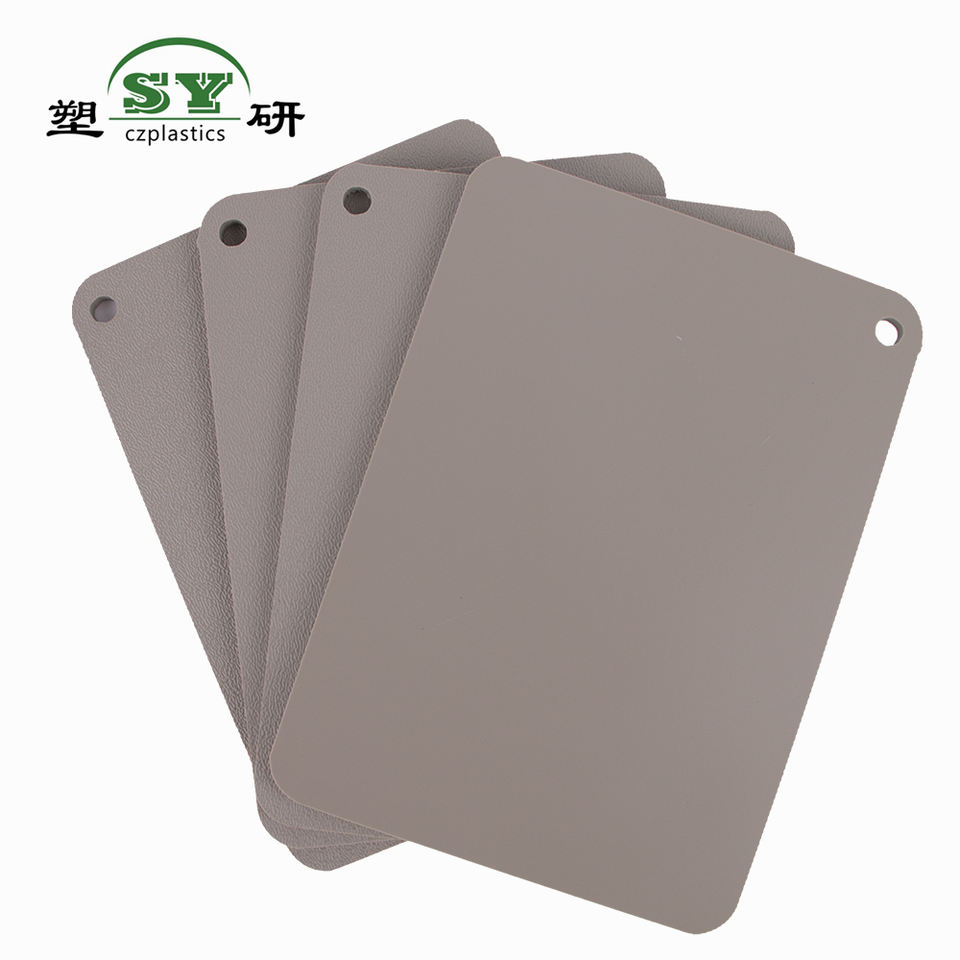
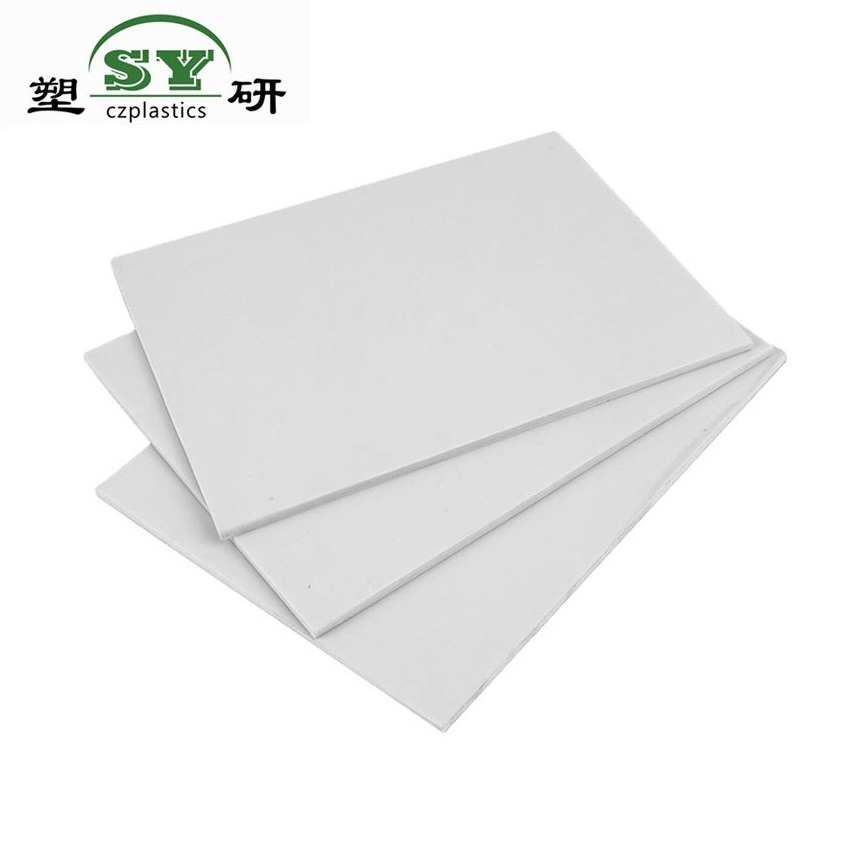
HDPE Sheets for Sale
Standard-grade HDPE plastic sheet in custom thickness, width and length.
View Product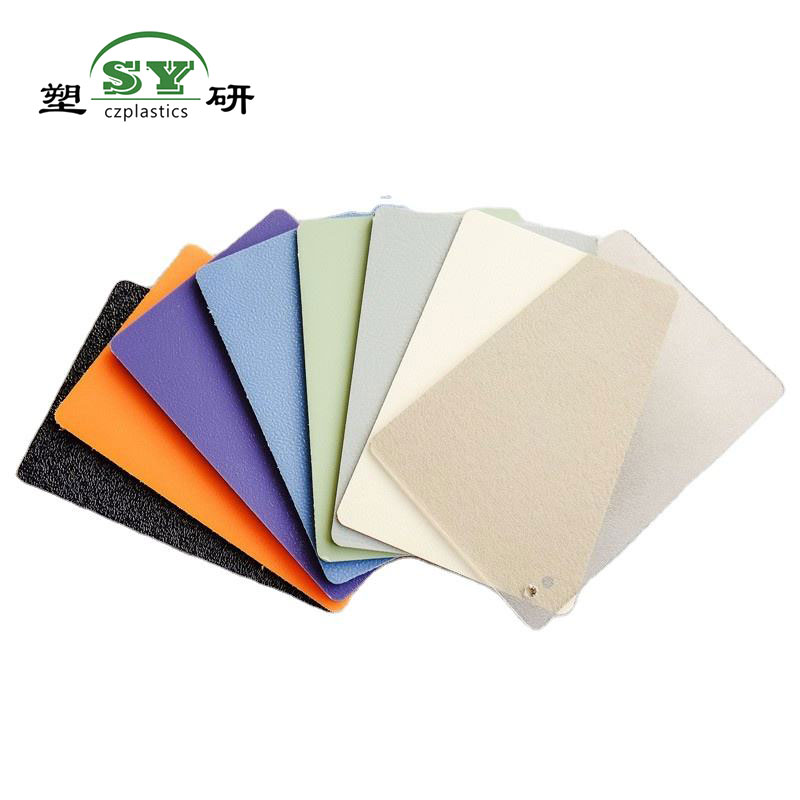
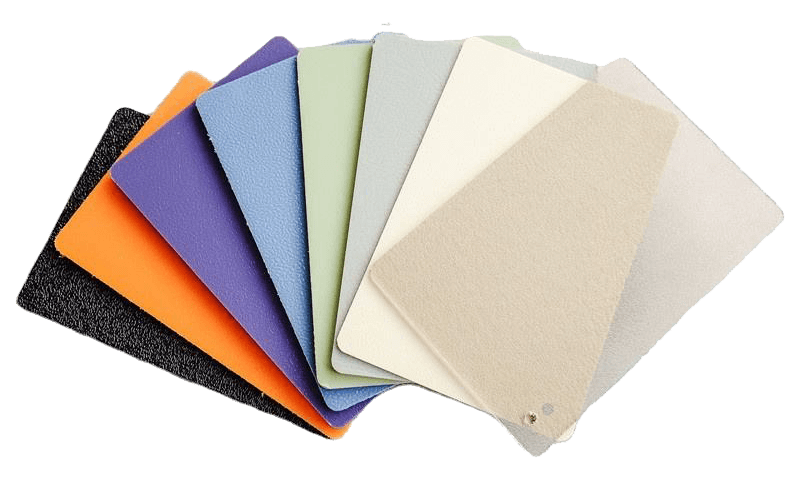
Custom Color 4 mm HDPE Sheet
Color matched during extrusion for consistent color through the thickness.
View Product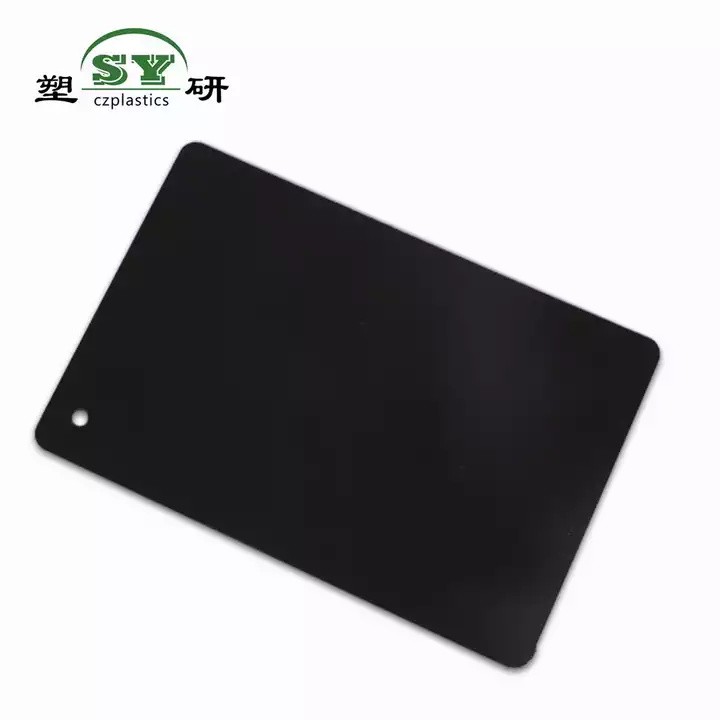
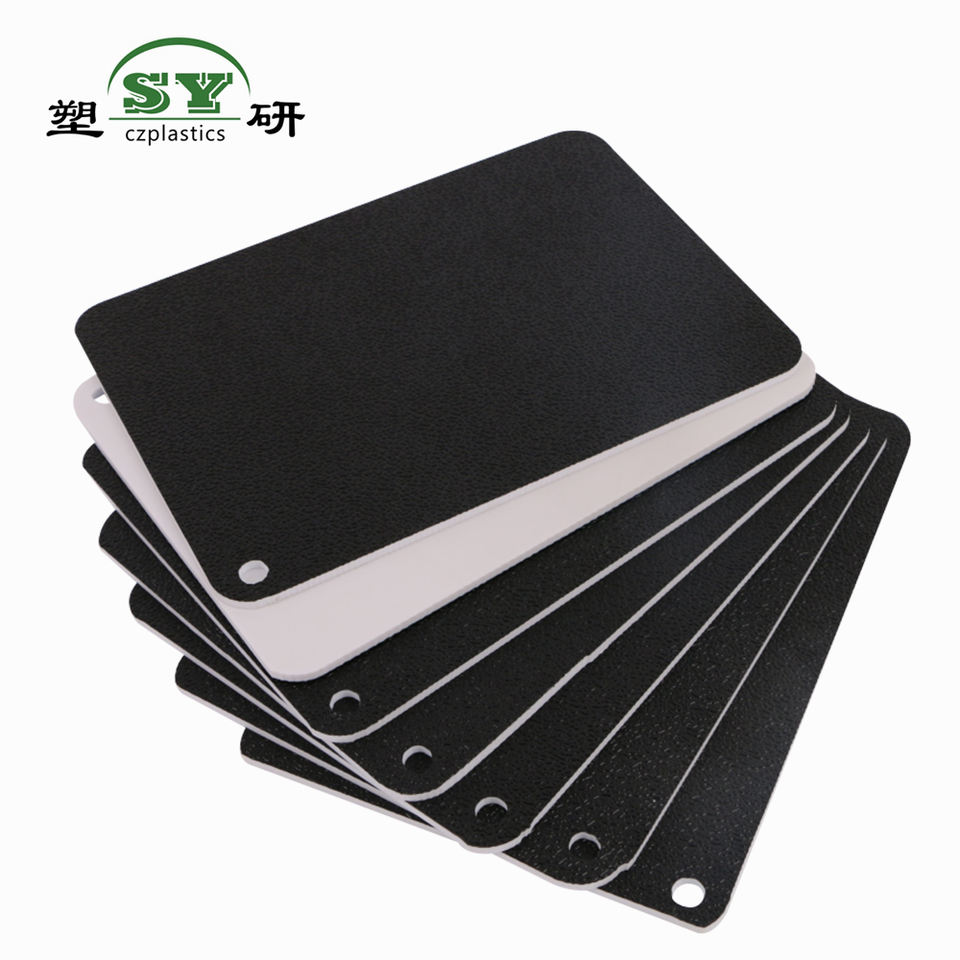
Black Embossed HDPE Sheet
Textured, waterproof engineering sheet for outdoor and heavy-duty service.
View ProductApplication 5: Marine and Chemical Containment
Marine construction uses HDPE where a material must survive permanent moisture without maintenance. It is fabricated into boat cabinetry, hatches, seat bases and dock components, where it replaces plywood and painted steel that would otherwise swell, rot or corrode. These applications require a UV-stabilised grade, because the components are both wet and sun-exposed.
In chemical handling, HDPE sheet is fabricated into secondary containment systems, bund liners, tank components and scrubber housings. Weld integrity is the critical quality factor here — a chemically resistant sheet is only as good as its seams — so weld procedure and inspection should be part of the specification, not an afterthought.
Application 6: Consumer Products and Recreation
In consumer goods, HDPE's combination of low weight, impact strength and colorability suits toys, outdoor furniture, storage bins and household containers. It is non-toxic and odourless in compliant grades, and it does not splinter or rust, which is why it is used for children's products.
Recreational equipment takes advantage of the same properties at larger scale: playground structures, slide components, and kayak and canoe hulls all use HDPE because it absorbs impact without cracking and tolerates abrasion against rock and gravel. Color stability over years of outdoor exposure is the main reason to specify a UV-stabilised grade in these products.
Application-to-Specification Guide
| Application | Typical form | Property driving the choice | Specifying note |
|---|---|---|---|
| Packaging pallets and containers | Thermoformed or fabricated sheet | Impact strength, moisture and cleaning-agent resistance | Confirm food-contact grade and documentation if direct contact |
| Roof and basement membranes | Flexible geomembrane sheet | Impermeability, weldability, flexibility | Seams should be thermally welded and tested |
| Agricultural mulch and greenhouse film | Thin-gauge film | UV stabilisation, light transmission | State expected service life when selecting the stabiliser package |
| Chute, hopper and bunker liners | Heavy-gauge sheet | Low coefficient of friction, abrasion resistance | Consider UHMWPE for the highest-wear zones |
| Chemical containment | Welded sheet fabrication | Chemical resistance, weld integrity | Verify compatibility with the specific chemical and temperature |
| Marine cabinetry and dock components | UV-stabilised sheet | Moisture resistance, UV stability, stiffness | Standard grades will chalk; specify a stabilised grade |
| Cutting boards and food-prep surfaces | FDA-compliant sheet | Non-toxic, non-absorbing, easy to sanitise | Request compliance documentation with the shipment |
| Playground equipment and kayak hulls | Rotationally moulded / thermoformed | Impact strength, color stability | Colors should be compounded, not surface applied |
Limitations: When HDPE Is Not the Right Choice
Stating the boundaries is as useful as listing the benefits, because most HDPE failures come from specifying it outside its working range.
Sustained load at elevated temperature. With a heat deflection temperature of roughly 60–80 °C under low load, HDPE is not suitable for parts that carry load near or above that range, despite a melting point of 130–135 °C. Melting point is not a service temperature.
High structural stiffness. HDPE has a comparatively low flexural modulus. Where stiffness is critical, the usual response is a heavier gauge or ribbed geometry rather than a different grade.
Bonding and printing. HDPE has low surface energy, so adhesives, paints and inks do not bond reliably without corona, flame or plasma pre-treatment.
Strong oxidisers and certain solvents. Resistance to aromatic and chlorinated hydrocarbons, and to concentrated oxidising acids, is limited — especially when temperature rises.
Unstabilised outdoor exposure. Natural grades will chalk, fade and embrittle under prolonged UV.
Flame performance. Standard HDPE burns; flame-retardant grades are a specific requirement that must be requested.

Have a drawing or a failing part? Send the application, service temperature and chemical exposure — we will confirm whether HDPE is the right material or point you to a better grade.
Contact Us Browse HDPE Sheet RangeYour Trusted HDPE Plastic Sheet Manufacturer
Changzhou Plastics Researching & Manufacturing Co., Ltd was established in 1988 and operates a 40,000 m² facility in Changzhou, China, running 30 sets of extrusion, injection moulding and thermoforming lines with 180 employees, including 19 engineers and technicians. The company produces HDPE plastic sheet alongside ABS, PP, PE, HIPS and composite sheet grades.
What matters most at the production stage is whether a supplier can hold thickness tolerance, supply the right compliance documentation, and deliver surface texture and color at the extrusion stage rather than through post-processing. Our HDPE sheet is produced under an ISO 9000 family quality management system, with FDA-compliant, REACH and RoHS grades available, and supports custom thickness, width, color matching, UV-stabilised and flame-retardant options.
FAQ
Q1: What is HDPE plastic sheet most commonly used for?
The highest-volume uses are packaging (pallets, containers, films), industrial liners for chutes, hoppers and bunkers, construction waterproofing and vapour barriers, agricultural film, marine components, chemical containment, and food-preparation surfaces.
Q2: Is HDPE plastic sheet food-safe?
Food-grade HDPE sheet is available and can comply with FDA requirements for direct food contact, supplied with the corresponding documentation. Not all HDPE grades are food-grade, so confirm the specific grade and request the compliance certificate with your order.
Q3: Can HDPE plastic sheet be used outdoors?
Yes, but only in a UV-stabilised grade. Natural HDPE chalks, fades and becomes brittle under prolonged direct sunlight. Specify a carbon-black or HALS-stabilised grade and state the expected service life.
Q4: Can HDPE sheet be welded and bonded?
It welds well using hot-gas, extrusion or butt-fusion methods, which is why it is used for tanks and containment systems. Adhesive bonding and printing are difficult without corona, flame or plasma surface treatment, because HDPE has low surface energy.
Q5: What thickness of HDPE plastic sheet should I specify?
Thickness is driven by stiffness and wear requirements rather than by a standard. Thin-gauge film suits agricultural and packaging use; heavy-gauge sheet is used for liners, tanks and structural panels. Share the part geometry, load and service temperature, and a starting gauge can be recommended and confirmed against availability.
Q6: Is HDPE plastic sheet recyclable?
Yes. HDPE carries resin identification code 2 and is one of the more widely collected plastics in household and industrial streams. Recycled-content HDPE sheet is also produced for applications where virgin resin is not required — see national guidance on recycling common plastics for collection practice in your market.
Conclusion
HDPE plastic sheet has become a standard material across packaging, construction, agriculture, industrial manufacturing, marine and consumer products for a consistent set of reasons: it does not absorb water, it resists a broad range of chemicals, it stays tough below freezing, and it can be thermoformed, welded and machined into purpose-built components. Its boundaries are equally clear — heat under load, structural stiffness, bonding, unstabilised UV exposure and certain solvents — and most service failures trace back to one of them.
If you are looking for a dependable HDPE plastic sheet manufacturer, Changzhou Plastics supports projects from sample through production, including custom thickness, color matching and compliance documentation.
Tell us your application, required gauge, surface finish and annual volume — we will come back with a specification and a quote.
Get a Quote